

Mitali’s Dialogue
A couple of weeks ago I found myself spiraling through a gamut of emotions. My youngest son N was about to start high school in a fairly challenging public high school and my “mommy radar” was picking up on his emotions and adding some of my own - anxious about the workload in high school, stressed about putting him through a pressure cooker for the next four years, and frustration with the one-word responses from him.
I was also starting to question the promise we made to him to give him a smartphone for high school after holding the line through middle school. I have read all the research on the impact of screens on kids’ attention spans and the downside of social media on dopamine and stress levels for kids. Reluctantly I had agreed to give him a device at the end of summer hoping that the next four years would be an opportunity to teach him life skills around self regulation, agency and critical thinking.
My two conditions before he got a phone was to have him draft a contract to define clear boundaries and limits on screen time as well as safety rules around social media usage. The second was to watch a few movies/documentaries with me over the summer to learn about the impact of screens on kids brains (The Social Network, The Truman Show, The Social Dilemma) “Mom this is so not needed. My friends don’t have to do this.” Despite the complaints, he complied and drafted a contract. Having a baseline set of rules to work from as the school year progresses has helped relieve some of the tension I feel about putting the internet in his pocket but the distraction and attention problems are starting to feel real already. Note: If you are looking for a sample teen cellphone contract here are some to check out - iMom, Screenagers
While I had absorbed a bit of the anxiety that my son was feeling about starting high school, I also knew that was not the role I needed to play. It is healthy for him to recognize the emotions he is experiencing and my role is to provide him a safe space to process all the emotions that high school will bring. He was going to need to learn how to adjust to things not going his way - not getting his top choice of electives, not having friends in his class, hating on his teacher for giving too much homework. So to get advice on parenting through high school and regulating my own emotions, I turned to the experts I knew - friends, parents, educators and social media gurus. 🙂
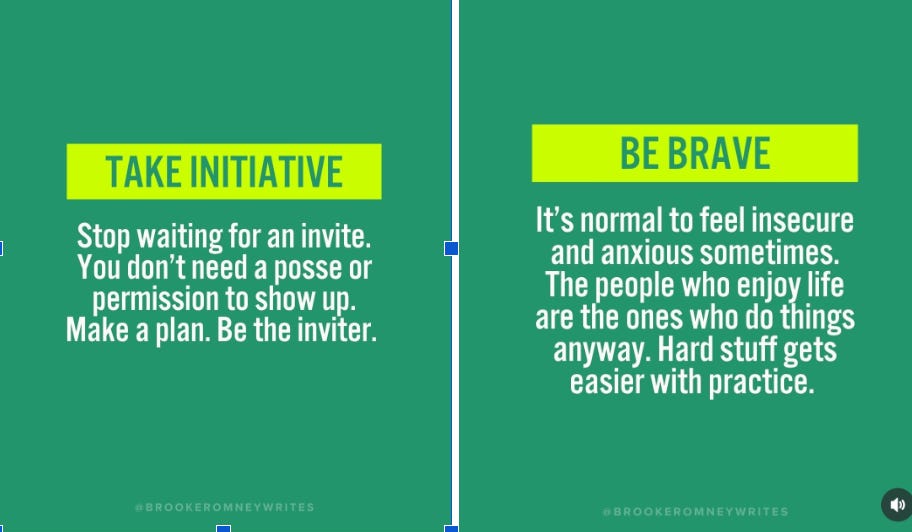
Here is some of the advice I picked up along the way that I shared with him. I am feeding this to him in small doses over texts on our group chat, hoping that some of it subliminally gets through to his brain and helps him through the first few weeks of high school.
I also recently listened to this podcast episode on parenting by Arthur Brooks, an American academic, author and HBS professor, which helped allay some of my fears about my parenting skills. Take the time to listen when you get a chance - there are so many nuggets of wisdom in there - like, “Show warmth and love to your kid, unconditional love. Love them the most when they deserve it the least.” This lands differently when you have one kid that still has emotional tantrums and another who only provides monosyllabic responses to any questions.
N entered high school with a bang. No easing into the transition. Day one he had homework. Week two he was already drowning in assignments, tests and readings. Yay! Finally he was getting to experience a “tough” life and I was curious to see how he would handle the new workload. One day I found him using AI to brush up on his math skills and realized that we needed to have a conversation with him about how to use AI and the impact it would have on his learning skills. The chart below covers some of our parenting philosophy around AI right now. Use it as a tool to enhance your learning but do not use it as a crutch or a savior to get your homework done. You are only hurting yourself when you do so. His teachers emphasized the same - doing math homework without looking at the answer keys helps identify the gaps in a kid’s knowledge and where they need to focus their learning.

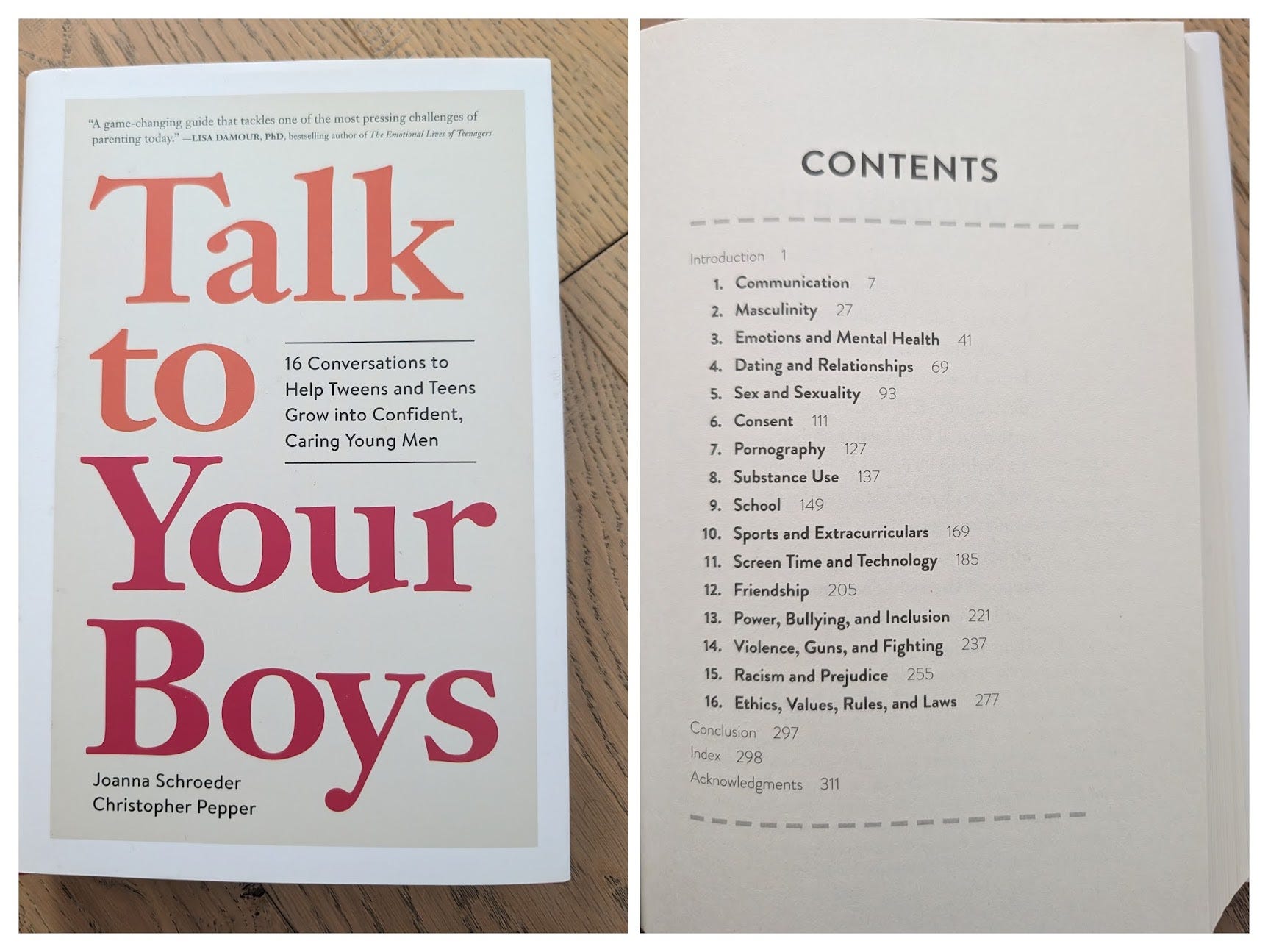
Parenting is a journey with no playbook to make it easy. Every kid is unique and every parent has their own philosophy to guide them. I have definitely benefited from talking to other parents about what they are experiencing and how they have handled challenges along the way. I am currently reading - Talk to Your Boys: 16 Conversations to Help Tweens and Teens Grow Into Confident, Caring Young Men by journalist Joanna Schroeder and educator Christopher Pepper. The chapter titles are intriguing and I am hoping it helps guide me through the next few years especially as my teenager gets exposed to videos related to the “manosphere”. I am doing my best to not lose him to the toxic masculinity that pervades social media these days. I would love to hear from other parents on how they are guiding their kids through school, social media usage and all the changes coming with AI.
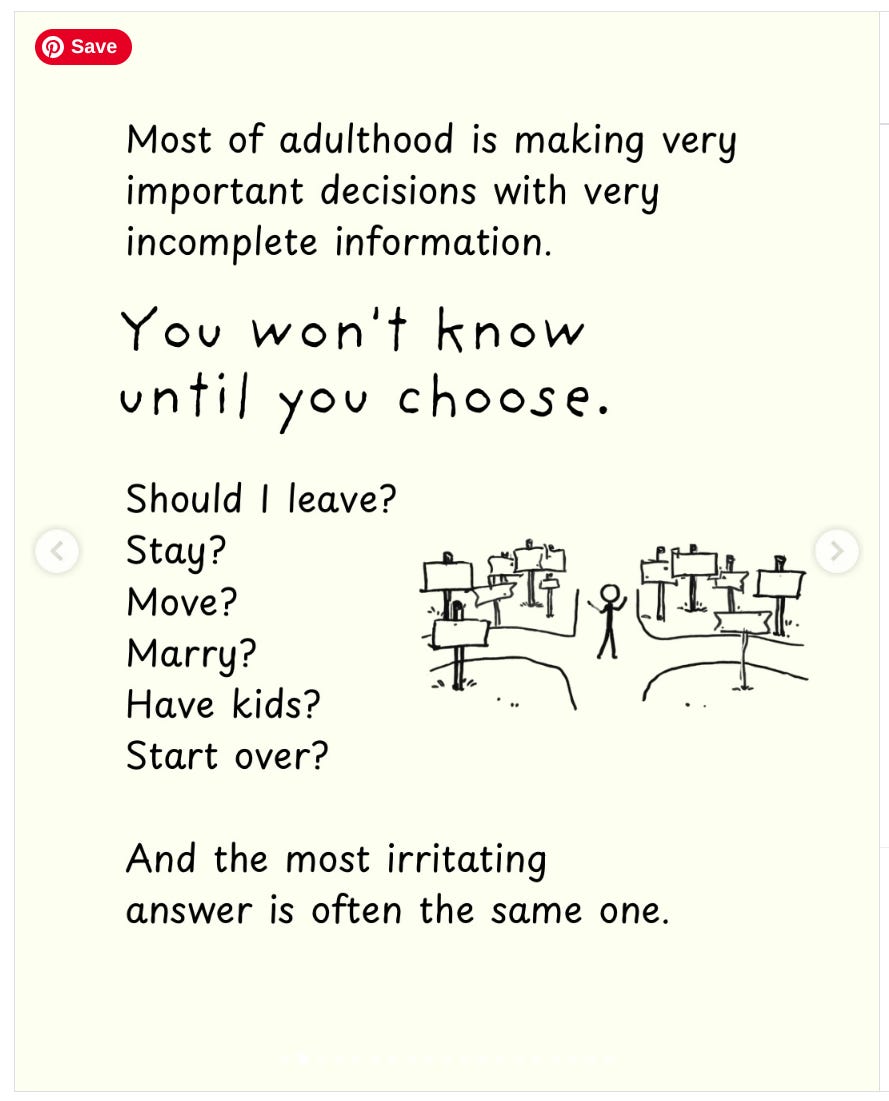
Parenting tips come from many places. I recently sent my teenagers this humorous summary of the movie The Odyssey after they walked out unimpressed by Christopher Nolan’s new movie. There are so many life lessons hidden in each of the challenges Odysseyus faced on his way back home. The epic is really all about making choices and living with the choices even when your options are terrible. Highly recommend watching the movie in iMAX with your kids 🙂
Kinnari’s Dialogue
We celebrated little L’s third birthday this past week right before she went back to pre-school, officially marking the end of summer in our house. I wanted to share two of my reflections on parenting from this summer.

Creating a sense of belonging within the family unit
I have always loved to travel to new countries but had to put this on hold when baby L arrived. Instead, I used my vacation time to travel to India so my girls could spend time with my ailing mother. However, this summer I felt a desire to be on holiday, just the four of us, in an unknown country.
I thought I was doing it for myself. Little did I realize how meaningful it is for us as a family unit. Traveling together helps us break out of our routines. It is important because out there on the road, in unfamiliar places, the way we relate to each other changes. The kids get to experience their parents on “holiday mode”. On vacation, without the work stress and the home responsibilities, my husband and I are much more relaxed, easygoing and fun - especially with each other. One day when we’ve stepped away from the corporate life or when the kids aren’t that physically demanding, we hope to bring this relaxed pace back to our daily lives. Until we get to that, it’s important that the kids get to experience the chill mom and dad even if it’s in small doses. As Joseph Chilton Pearce, an author who wrote extensively on child development, put it: “What we are, teaches the child more than what we say, so we must be what we want our children to become.”

Weeks after returning from holiday, little L still looks at a plane and asks “Is it going to Costa Rica?” She’s probably too young to retain these memories but hopefully her body will remember how she felt surrounded by love and playfulness. And big sister A is at an age where she is going to remember some of the big and small moments. The moments when her mom went gaga over sloths after seeing how slowly they move, her dad troubleshooting the brakes after a long mountain descent and how it feels to ride a horse solo!
Traveling together gives us more opportunities to give the girls a sense of belonging in our family unit. We want them to feel that way whether we are within the safe confines of our home or thousands of miles away in unknown territory. Because some day, each one of them will be away from us and my hope is that they will carry this sense of belonging no matter where they go.
“If we want to cultivate worthiness in our children, we need to make sure they know that they belong and that their belonging is unconditional.”
- Brené Brown, Daring Greatly
Building community in your neighborhood
“For a century, the human response to stress and danger has been defined as “fight or flight.” A 2000 UCLA study by several psychologists noted that this research was based largely on studies of male rats and male human beings. But studying women led them to a third, often deployed option: gather for solidarity, support, advice. They noted that “...behaviorally, females’ responses are more marked by a pattern of ‘tend-and-befriend.’ Tending involves nurturant activities designed to protect the self and offspring that promote safety and reduce distress; befriending is the creation and maintenance of social networks that may aid in this process.”
- Rebecca Solnit, The Mother of All Questions
I am surprised that even now most of the talk out there on the body’s response to stress focuses on “fight or flight”. I am unsurprised that women have a different method. “Tend-and-befriend” is what we do. We connect, we share stories about our kids and things that are stressing us, we ask questions and we listen. We take care of each other. I can’t imagine raising children without having other mom friends around. In the last two years I’ve invested a fair bit of time in our neighborhood community - starting a monthly moms hangout and starting a Whatsapp thread for the families with little kids on our street. It gives me immense joy to see my kids running up and down the street to find their friends, or to see moms interacting with each other on the Whatsapp thread - sharing toys and clothes their kids have grown out of, swapping notes on after-school classes, or trying to get cars to stop driving so rashly at pickup. A couple of days ago when I decided to throw a small celebration for little L’s third birthday at the last minute, these were the families that showed up - with the moms giving me high-fives instead of flak for throwing a party with only a day’s notice.

A Tribute
In the past couple of weeks America lost two of its feminist icons - Dolly Parton and Gloria Steinem. Neither of them were parents, but that did not stop them from fighting for just causes to improve American society for future generations. Reading through all the recent articles and posts it has been amazing to learn about Dolly Parton’s gentle feminism, creativity, humor and intelligence. Beyond writing over 3,000 songs, Dolly Parton built one of the most quietly influential literacy programs in the world, the Imagination Library, which mails a free, age-appropriate book to enrolled children every month from birth to age five.
In the interview below with Barbara Walters in 1978, Dolly’s intelligence, warmth, humor and authenticity come through in spades.

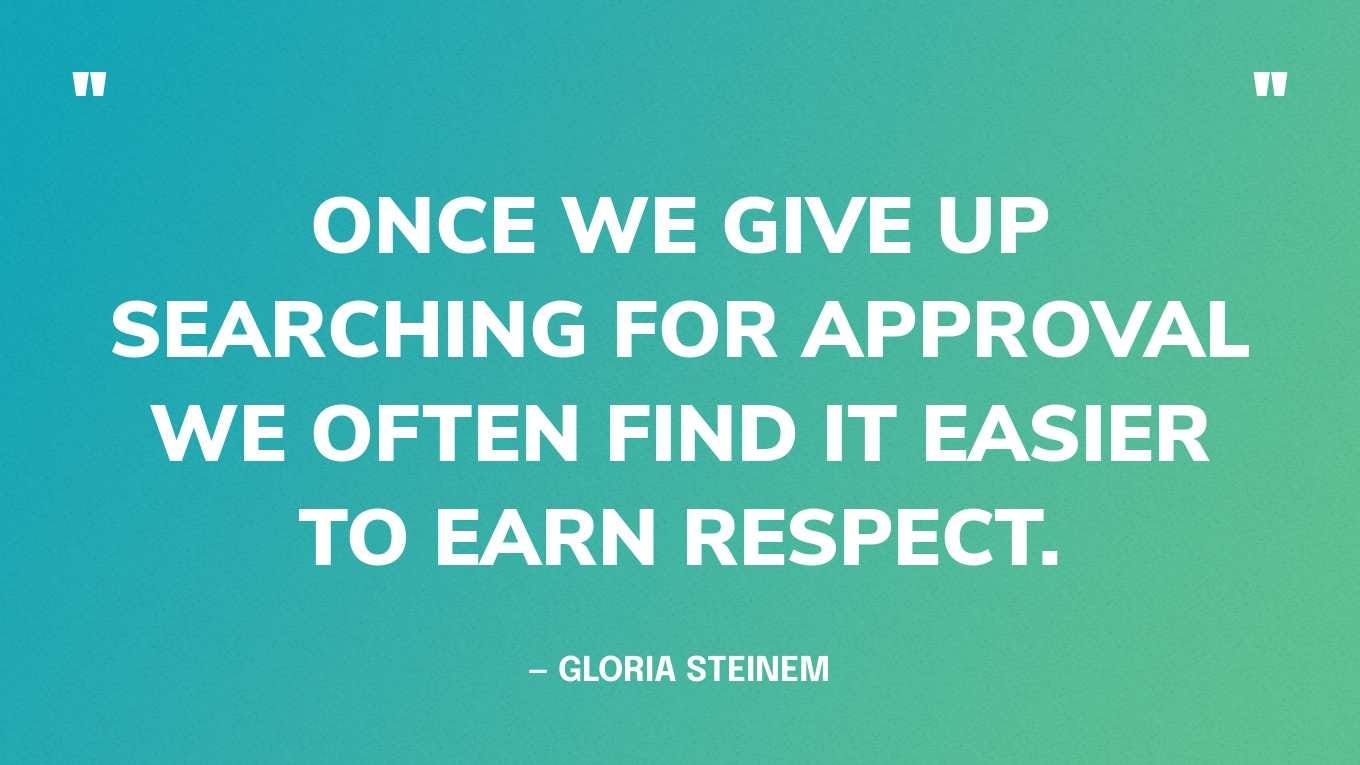
Gloria Steinem was a storyteller, an activist, a lecturer, a transformational leader and so much more. “If you want people to listen to you, you have to listen to them.“ And that is what she did for decades. She co-founded Ms. magazine in the early 1970s, establishing the first major national publication to be entirely owned, operated, and written by women. She was the quintessential storyteller knowing how powerful stories are. She opened up her living room to hold discussions on a variety of topics and invited diverse perspectives to be heard.
With the passing of these two great women the world might have dimmed a bit but we are fortunate that they have left behind their sage wisdom in their songs, books and stories.
Thanks for checking out "Talk To Your Boys"! I hope you find it useful.